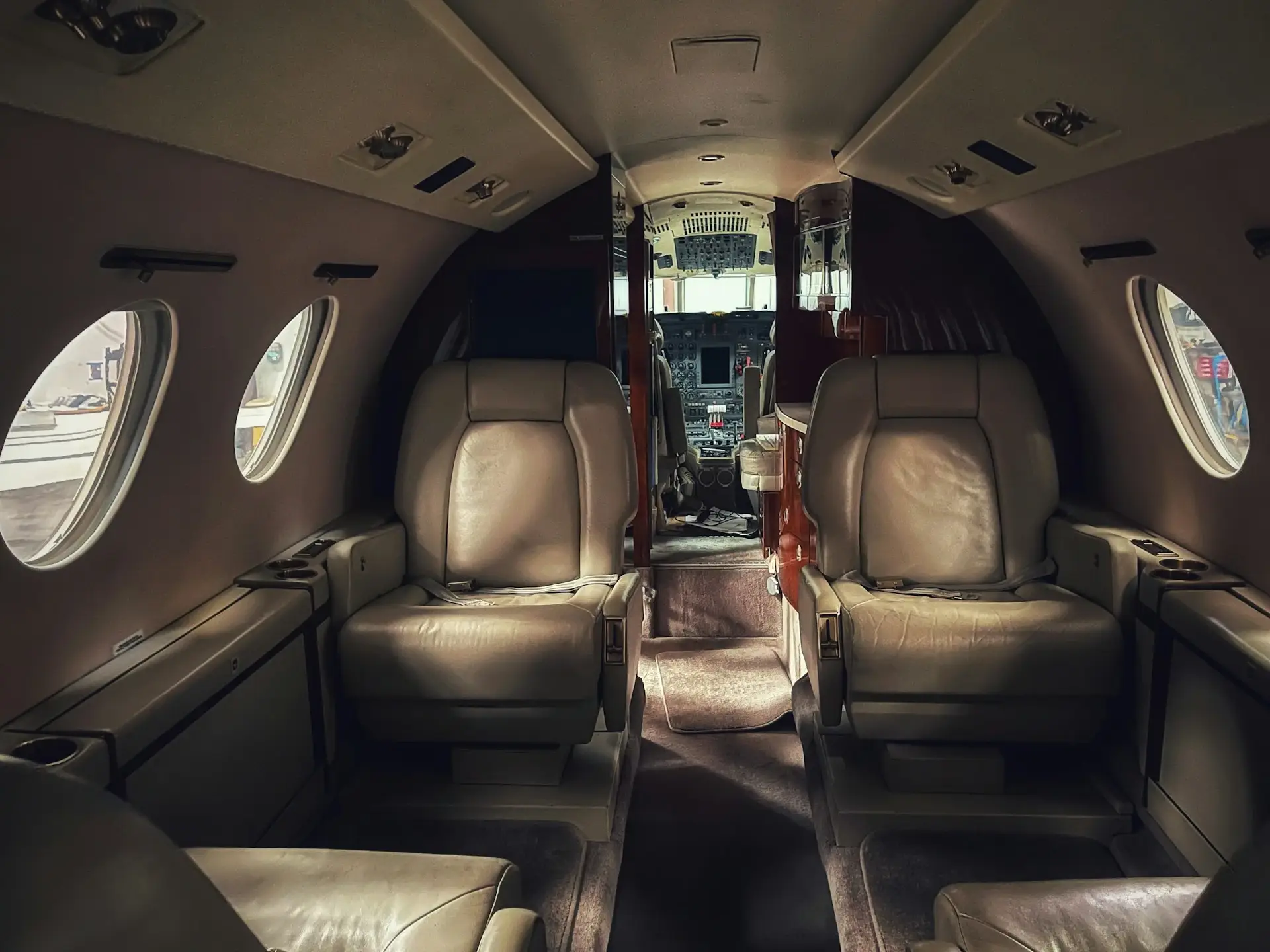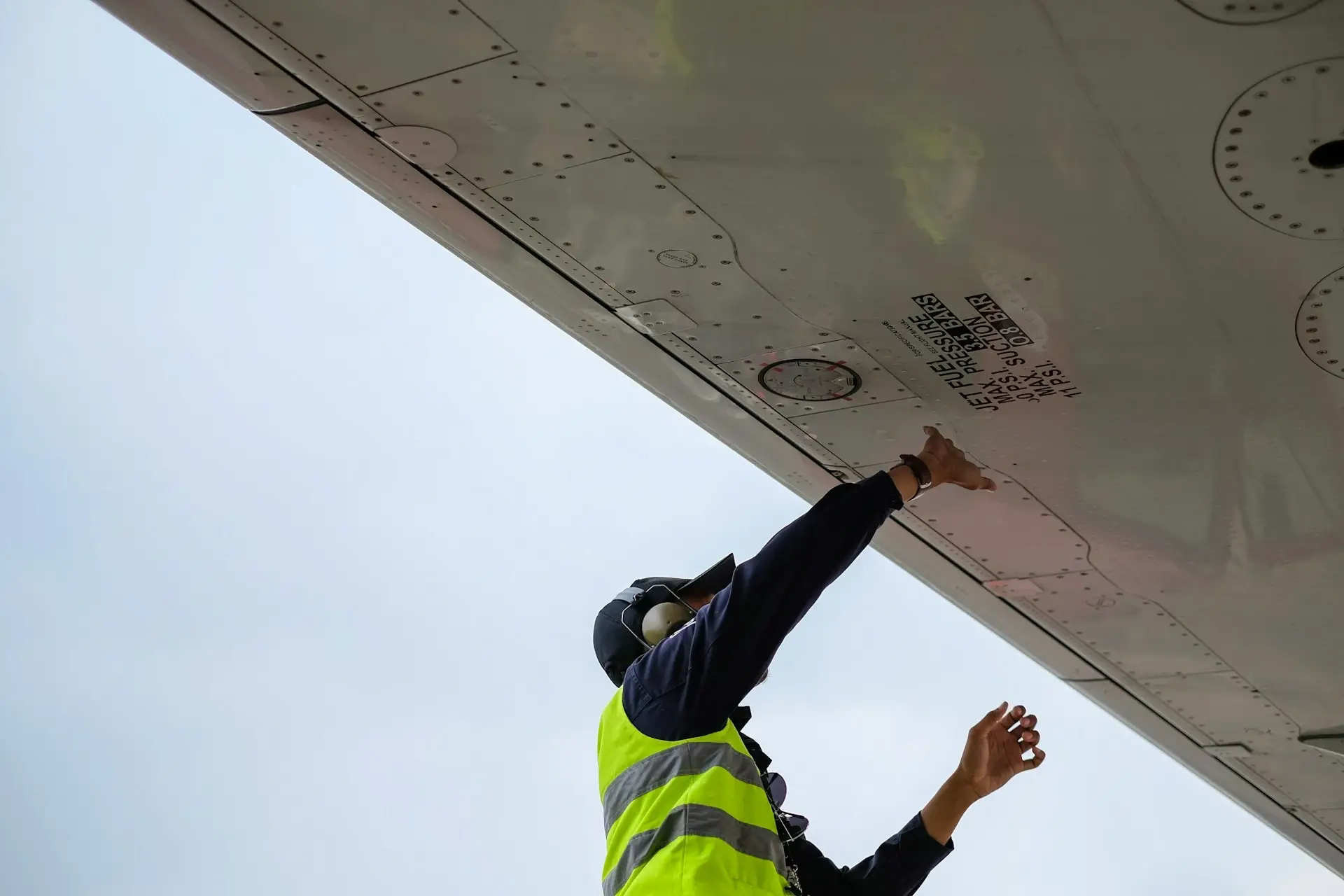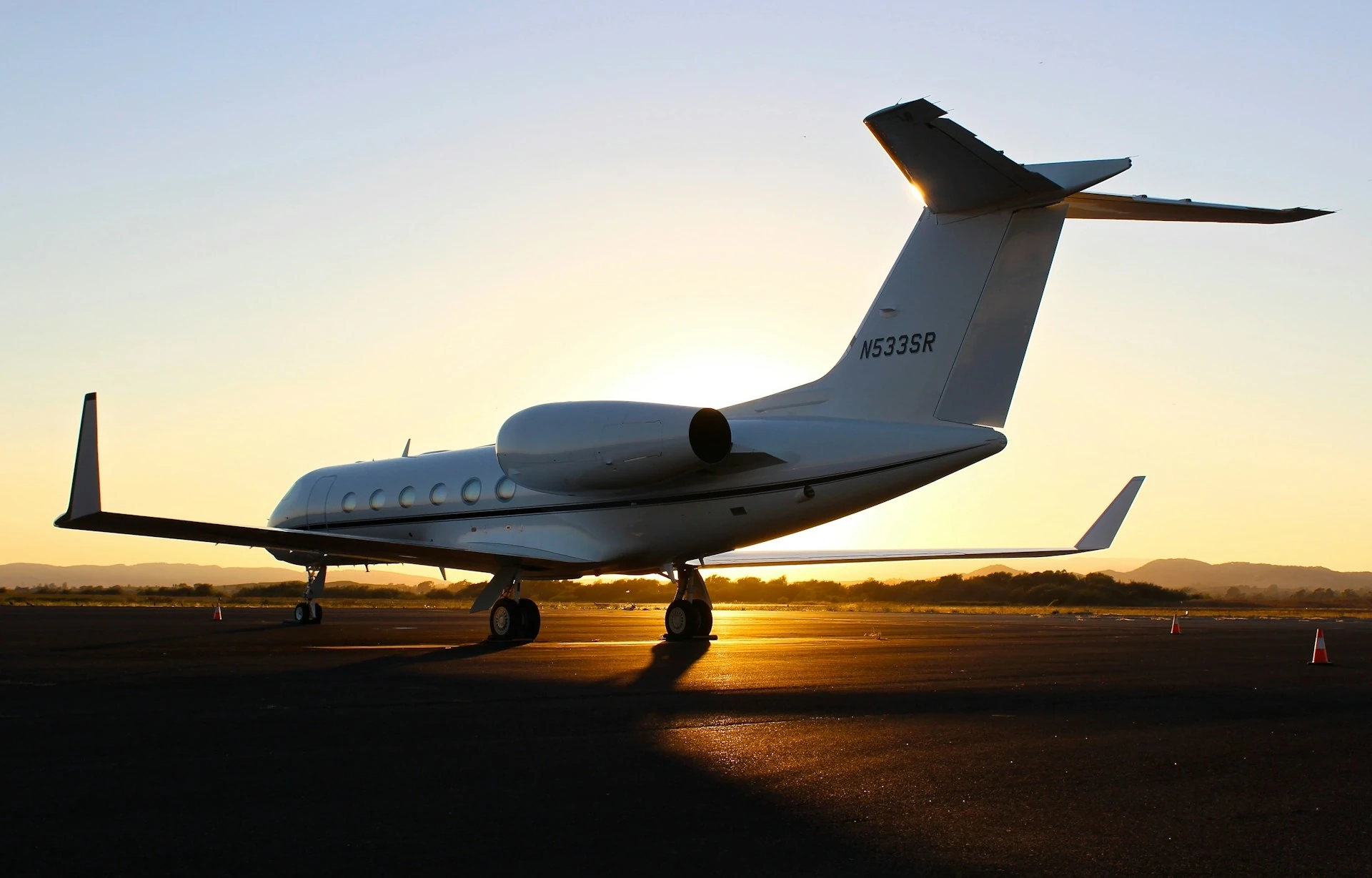

The aircraft can look right before the purchase is right. Paint, avionics, interior, and a clean ramp photo may get your attention, but the real buying decision lives in the mission, records, inspection scope, maintenance exposure, financing terms, pilot plan, and support you will need after closing.
The most useful questions to ask before buying an aircraft are the ones that make hidden ownership responsibilities visible. Before you fall in love with a listing, slow the process down enough to understand what you are buying, what it will take to own, and who will help you manage the transition. At Universal Aircraft Solutions, we help buyers connect the aircraft, records, maintenance, transaction details, and ownership plan before the decision becomes expensive to unwind.
Start with the mission the aircraft has to serve
The first question is not “Is this a good aircraft?” It is “Is this the right aircraft for the way I actually plan to fly?” A strong aircraft on paper can still be a poor fit if the range, useful load, runway needs, avionics, maintenance profile, pilot requirements, insurance expectations, or passenger mission do not match your real use.
Start with the trips you expect to fly most often. How many people and bags are typical? How often will weather, night flying, or busy airspace matter? Will you fly yourself, hire pilots, or need transition support? Will the aircraft be based at one airport or move between multiple locations?
Those questions shape everything else. Mission fit affects acquisition budget, pilot planning, insurance conversations, maintenance exposure, and resale flexibility. Our aircraft brokerage services help buyers compare aircraft opportunities against ownership goals, budget, timing, and transition needs instead of judging a listing by surface appeal alone.
Make the records earn your confidence
Before you close, ask what the aircraft records actually show. Logbooks, Airworthiness Directive status, Service Bulletin history, FAA Form 337 documentation, STC records, weight and balance history, major repairs, inspection findings, and maintenance entries can all change the purchase conversation.
A beautiful aircraft with scattered records can become a difficult first-year ownership problem. Missing documentation may require extra research. Unclear modification history can affect future maintenance reviews. Open or poorly documented compliance items can affect airworthiness, value, and your confidence in the aircraft.
Our pre-buy inspection support includes records audit work, AD review, FAA Form 337 review, STC documentation verification, weight and balance review, logbook analysis, and a written findings summary. The goal is not to make the paperwork feel bigger than the airplane. The goal is to make sure the airplane’s story is clear before it becomes your responsibility.

A good-looking aircraft still needs a careful records, condition, mission, and ownership review before closing.
Define what the pre-buy inspection will cover
“Getting a pre-buy” can mean very different things depending on the aircraft, the shop, the records, the seller, and the inspection scope. Before you schedule it, ask what the inspection will include, who will perform it, how findings will be documented, whether photos will be provided, and how the results will be reviewed with you.
A pre-buy inspection can help identify condition, maintenance, documentation, and compliance concerns before purchase. It should not be treated as proof that the aircraft will be problem-free. Its value is better visibility before closing, so ownership surprises are less likely to begin with unanswered questions.
Ask whether the inspection should include engine compression testing, borescope review, oil filter inspection, airframe condition evaluation, corrosion checks, landing gear review, flight control evaluation, fluid leak inspection, aircraft systems review, and a maintenance findings summary. The right scope depends on the aircraft and the transaction.
Our pre-buy inspection process is designed around that buyer decision. We help evaluate aircraft condition, maintenance history, compliance status, and potential corrective actions so you can decide what to negotiate, what to accept, what to budget for, and when to walk away.
Compare the purchase price with the ownership year
The purchase price is only the first number. Ask what the aircraft may need in the first year of ownership, and compare that answer against inspections, maintenance reserves, hangar or tie-down, fuel, insurance, subscriptions, pilot support, training or transition work, upgrades, taxes or professional advice, and transaction costs.
If financing is part of the acquisition, review the terms inside the full ownership budget. Loan approval, down payment, interest rate, insurance requirements, inspection exposure, and first-year maintenance planning all affect the real decision. Financing should support the ownership plan, not hide the parts of the budget that still need careful review.
This is where buyer support becomes practical. Our aircraft brokerage services help coordinate valuation guidance, market analysis, records review, inspection coordination, negotiation support, closing details, delivery planning, and post-transaction transition support. We can also connect the purchase conversation to aircraft management when the first-year plan needs ongoing structure.
Ask what airworthiness items could affect the deal
Before buying an aircraft, ask how current airworthiness items are being reviewed. Under Part 91, the owner or operator carries primary responsibility for maintaining the aircraft in an airworthy condition. Once the aircraft is yours, those responsibilities do not stay with the seller.
That is why Airworthiness Directives, recurring compliance items, inspection timing, previous repairs, alterations, placards, required equipment, and return-to-service documentation deserve attention before closing. A purchase can look simple until an overdue item, unclear record, or undocumented modification changes the next maintenance step.
Our Airworthiness Directive support and A/D compliance services help owners review applicability, compliance history, recurring obligations, and documentation. When major repair or alteration paperwork matters, our FAA Form 337 support helps organize the documentation side of the aircraft’s history.
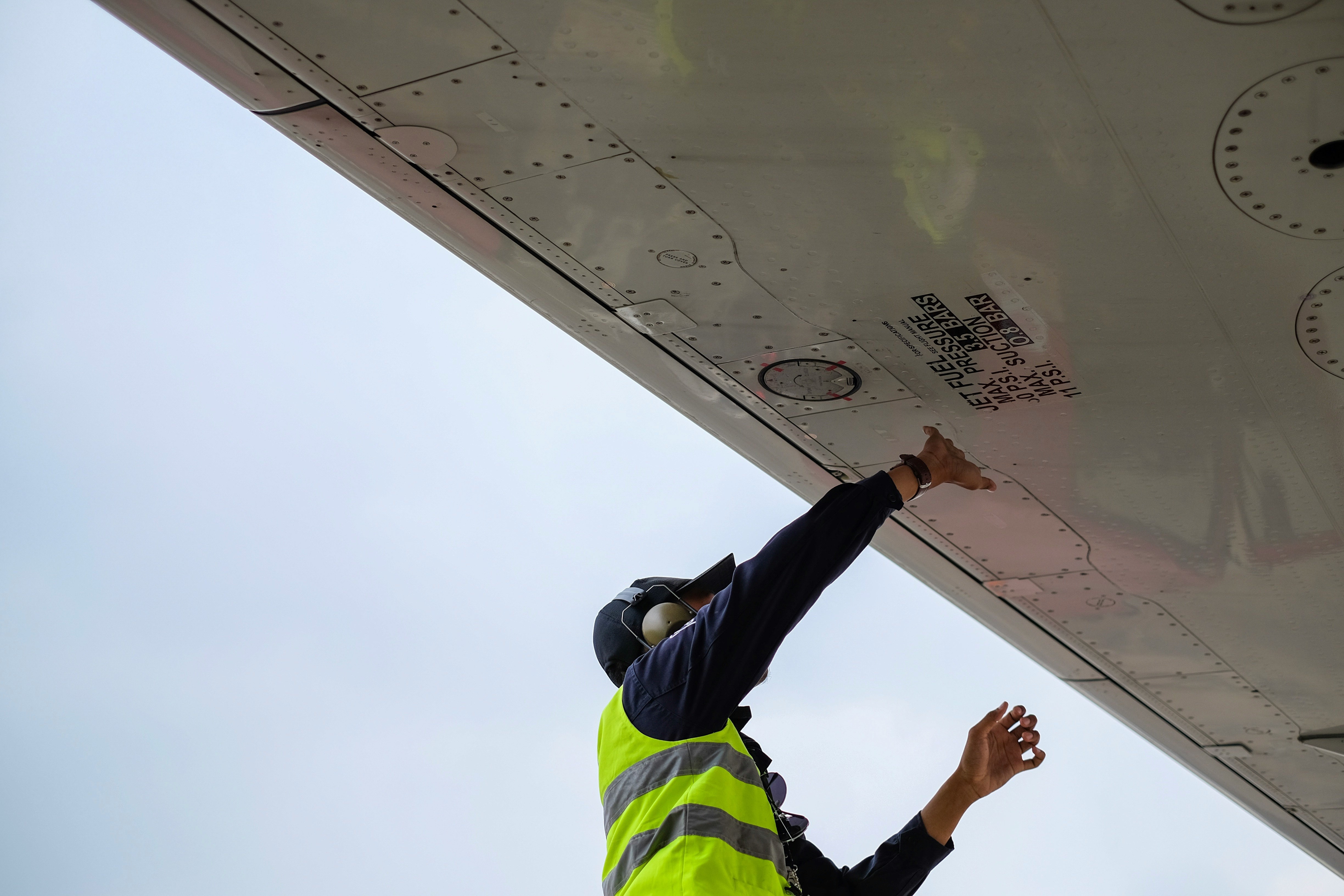
Airworthiness questions are easier to handle before closing than after the aircraft is already in your hangar.
Know who will support the aircraft after closing
Buying the aircraft is not the finish line. Ask who will coordinate maintenance scheduling, records, pilots, vendors, insurance requirements, trip needs, inspections, squawks, upgrades, and owner reporting after the transaction closes.
Some owners want full management. Others only need focused help during acquisition, delivery, pilot transition, or the first maintenance event. The right answer depends on the aircraft, your time, your experience, and how complicated the ownership plan will be.
Our aircraft management services help owners coordinate maintenance, vendor communication, records organization, compliance tracking, pilot support, maintenance budgeting, and owner communication. Our pilot services can also support pilot sourcing, transition planning, ferry coordination, and owner-pilot mentoring when the new aircraft requires more than a simple handoff.
Put every buying question into one clear review
When several providers are involved, the buyer can end up holding disconnected answers: a broker’s market view, a mechanic’s findings, a seller’s records, an insurance requirement, a lender’s condition, and a pilot’s transition concern. The mistake is treating those answers separately.
Use the questions below to bring the purchase into one view:
| Buying question | What it helps you clarify | UAS support path |
|---|---|---|
| Does this aircraft fit my real mission? | Range, payload, avionics, pilot needs, operating environment, and future use | Aircraft brokerage |
| What do the records show? | Logbooks, ADs, Form 337s, STCs, weight and balance, maintenance history, and inspection context | Pre-buy inspections |
| What could affect airworthiness or compliance? | Applicable ADs, recurring items, documented repairs, alterations, and required maintenance steps | A/D compliance |
| What will the first ownership year require? | Maintenance planning, reserves, insurance, financing terms, pilot support, hangar, and vendor coordination | Aircraft management |
| Who will coordinate the transition after closing? | Delivery, pilot support, maintenance scheduling, records organization, and owner reporting | Pilot services |
A disciplined aircraft buying process makes the tradeoffs visible before the money is committed. A question that slows down the purchase today can prevent a much harder ownership conversation later.
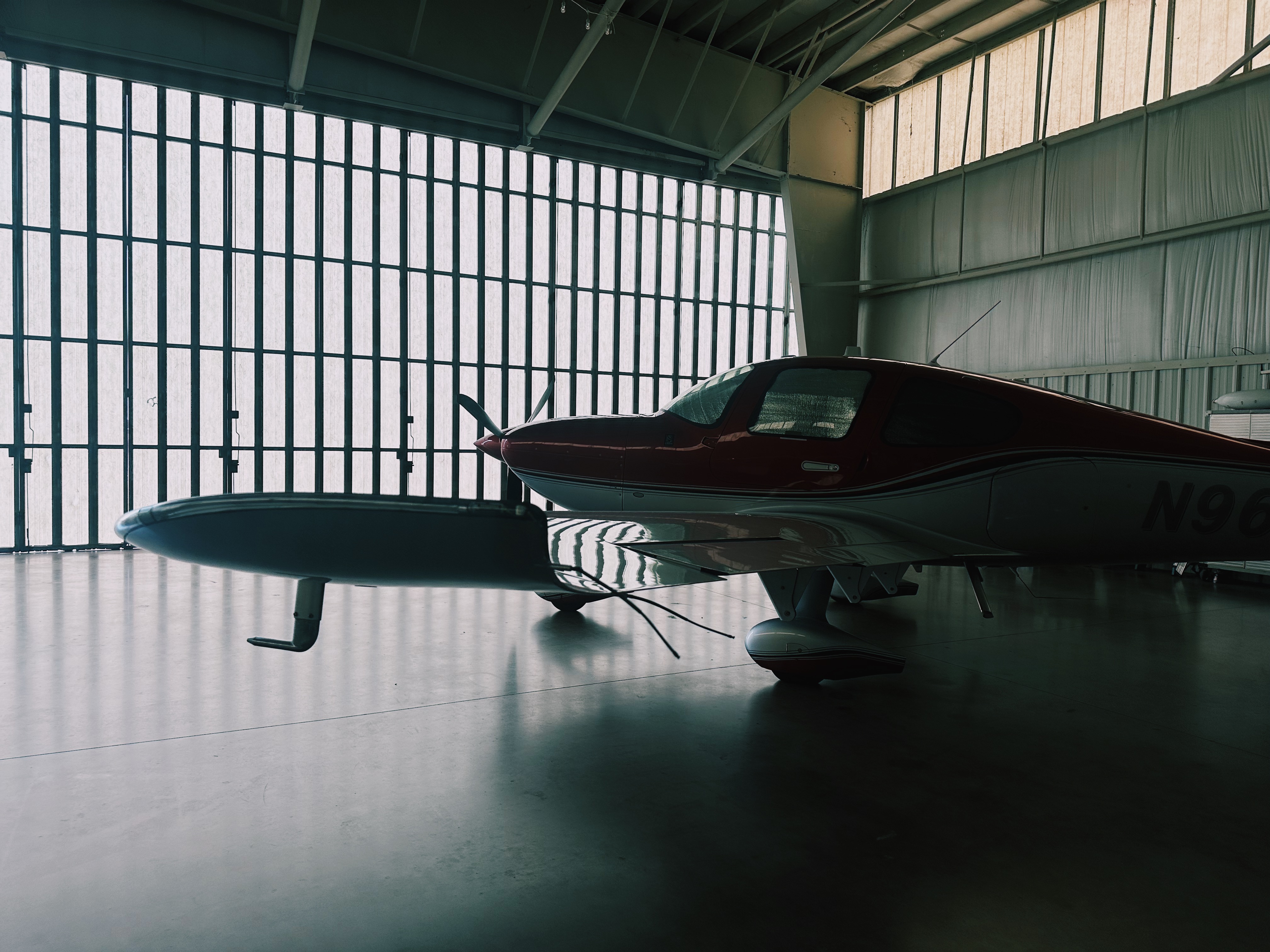
Buying well means connecting the inspection, records, maintenance plan, pilot needs, and post-closing support.
FAQ
What is the most important question to ask before buying an aircraft?
Start with whether the aircraft fits your mission and ownership plan. A good aircraft can still be the wrong purchase if it does not match your typical trips, pilot needs, maintenance expectations, insurance requirements, budget, or support plan. Our aircraft brokerage team can help compare the aircraft against those practical ownership needs.
Should I always get a pre-buy inspection?
Yes, a pre-buy inspection is one of the most useful steps before purchasing an aircraft. The scope should match the aircraft and transaction, and it should include both condition and records review. Our pre-buy inspection support helps buyers understand maintenance, documentation, and acquisition risk before closing.
Is a pre-buy inspection the same as an annual inspection?
No. A pre-buy inspection is focused on acquisition risk, records, condition, and buyer decision-making. An annual inspection has a different regulatory purpose. In some cases, scope can be discussed before work begins, but you should not assume the two inspections are interchangeable. Our annual inspection services can help when the purchase conversation also raises annual timing questions.
What records should I review before buying an aircraft?
Review logbooks, AD compliance records, Service Bulletin history, FAA Form 337 documentation, STCs, weight and balance records, inspection history, repairs, alterations, and maintenance findings. If the records are scattered or unclear, use aircraft records and pre-buy support before moving toward closing.
How should I think about financing before buying an aircraft?
If financing is part of the purchase, review the financing terms alongside the full ownership budget. Include maintenance exposure, inspection findings, insurance, hangar or tie-down, fuel, pilot support, reserves, and first-year planning. A purchase can be financeable and still need a careful ownership review through aircraft management planning.
Can UAS help after the aircraft purchase is complete?
Yes. We can support the ownership transition through aircraft management, maintenance planning, pilot services, records organization, and post-closing coordination. The right level of support depends on the aircraft, mission, timing, and owner workload.
Buy the aircraft with the next year in view
A smart aircraft purchase is not only about choosing the right tail number. It is about understanding the aircraft’s records, condition, costs, financing picture, pilot needs, maintenance priorities, and post-closing support before the decision becomes yours to manage.
If you are evaluating an aircraft, request a consultation with Universal Aircraft Solutions and share the aircraft type, location, timing, records status, and where you are in the buying process. We will help you identify the right acquisition, pre-buy, management, or maintenance support path before you close.