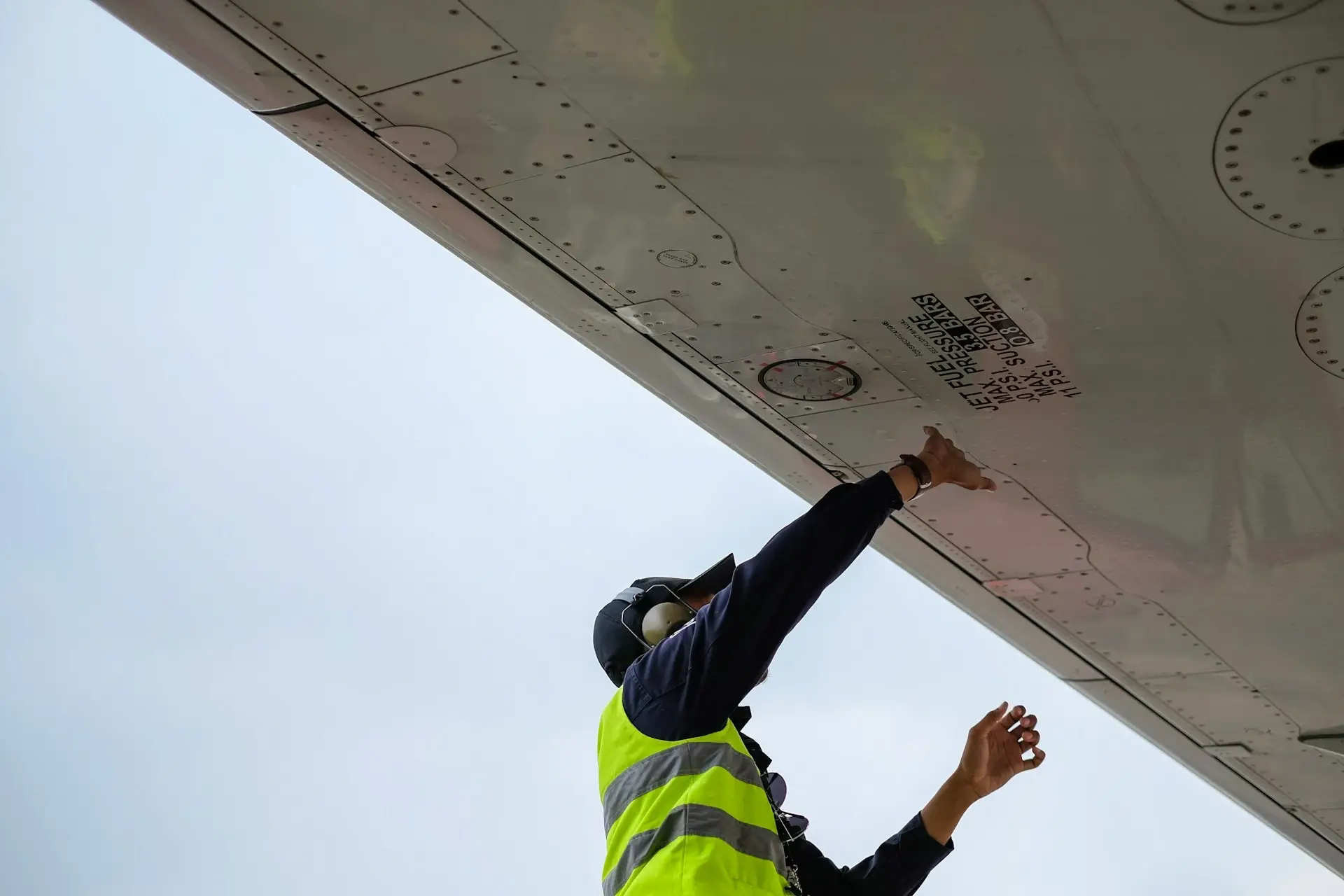

Aircraft ownership mistakes usually do not start with one dramatic failure. They start with small assumptions: the logbooks are probably fine, the maintenance timeline can wait, the pre-buy inspection will catch everything, or the purchase price is the real budget.
The better path is to treat ownership as a system. The aircraft, records, maintenance plan, pilot needs, insurance, vendors, and transaction details all affect each other. At Universal Aircraft Solutions, we help owners see those moving parts early so the aircraft can be managed with clearer priorities instead of last-minute guesswork.
Buying before the records tell the full story
The paint, avionics, and cabin may get attention first, but aircraft ownership starts in the records. Logbooks, Airworthiness Directive status, FAA Form 337 documentation, STC records, weight and balance history, maintenance entries, and inspection findings can all change the real ownership picture.
Skipping that review is one of the most expensive aircraft ownership mistakes because it can move hidden questions from the seller’s hangar into your first months as the owner. A polished aircraft can still carry open documentation concerns, deferred maintenance, or unclear modification history.
Our pre-buy inspection support is built around this exact risk. A pre-buy inspection does not guarantee a problem-free aircraft, but it can help you understand condition, records, compliance items, and possible corrective actions before closing.
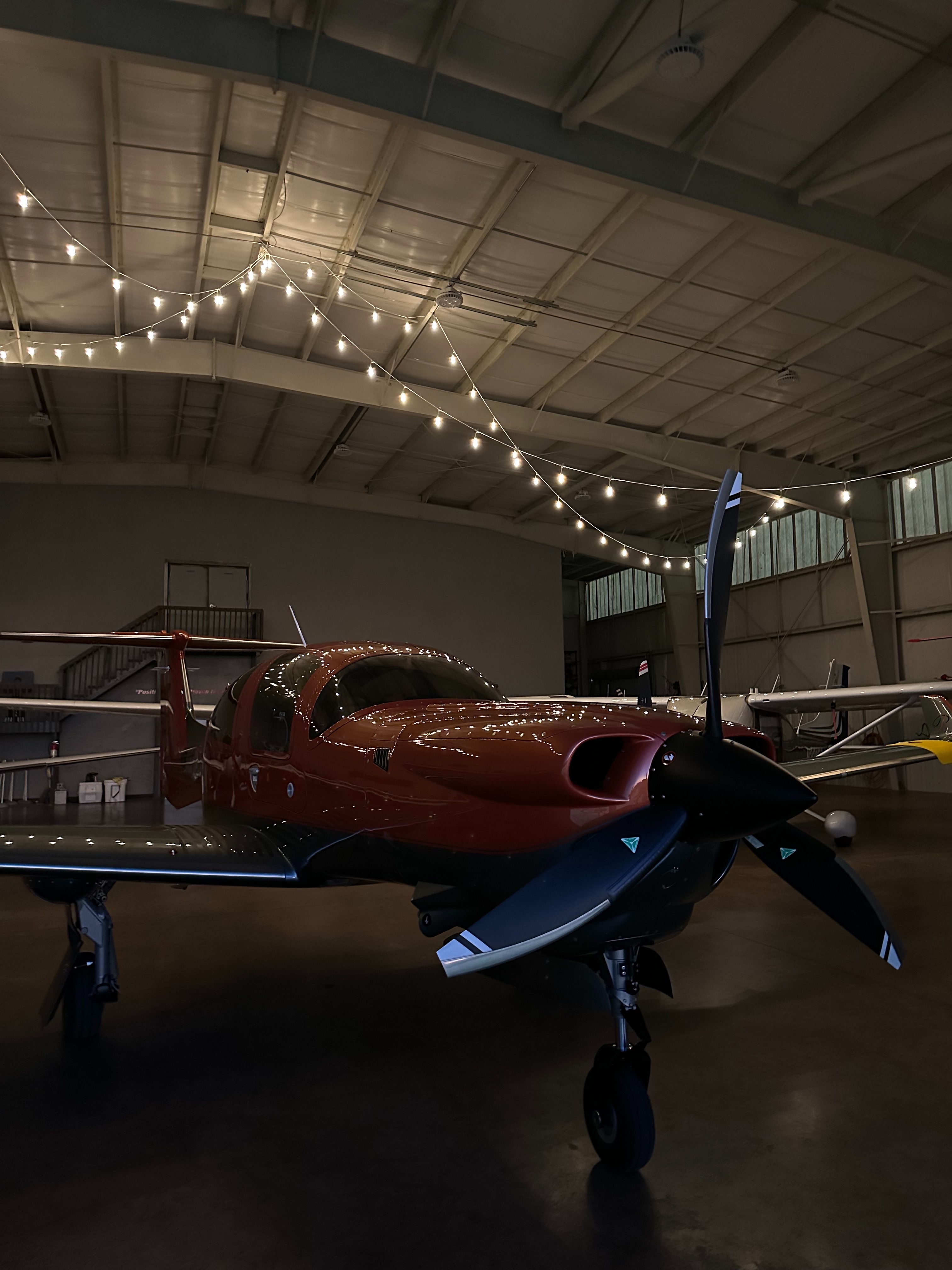
A careful aircraft review starts before closing, not after the first maintenance surprise.
Budgeting for the purchase price instead of the ownership year
The purchase price is only the entry point. A serious aircraft ownership budget also needs room for inspections, maintenance planning, hangar or tie-down costs, insurance, fuel, subscriptions, pilot or instructor support, records work, parts availability, upgrades, taxes or professional advice, and transaction costs.
Those costs vary by aircraft type, condition, utilization, location, records, mission, insurance market, and timing. Generic numbers can be useful for early research, but they are not a substitute for an aircraft-specific budget.
If financing is part of the acquisition, treat it as one part of the ownership plan, not as proof the aircraft will fit comfortably into the budget. Review the financing terms, reserves, inspection exposure, and first-year maintenance expectations together before you commit.
Our aircraft brokerage services help buyers think beyond the listing price by coordinating market insight, records review, pre-buy support, negotiation, closing details, and transition planning.
Treating maintenance as a reaction instead of a calendar
Maintenance becomes harder when every decision waits until the aircraft is grounded, the inspection window is tight, or a trip is already on the calendar. Under Part 91, the owner or operator carries primary responsibility for maintaining the aircraft in an airworthy condition, and airworthiness is a documented condition, not a casual impression.
Good ownership planning keeps maintenance events visible before they become urgent. That includes inspection timing, Airworthiness Directive review, squawk tracking, parts planning, approved corrective actions, and clear owner communication.
At UAS, our aircraft maintenance services include inspections, compliance support, preventive maintenance planning, records review, squawk evaluation, troubleshooting, and maintenance coordination. The practical value is visibility: priorities, findings, approvals, and next steps become easier to see before pressure builds.
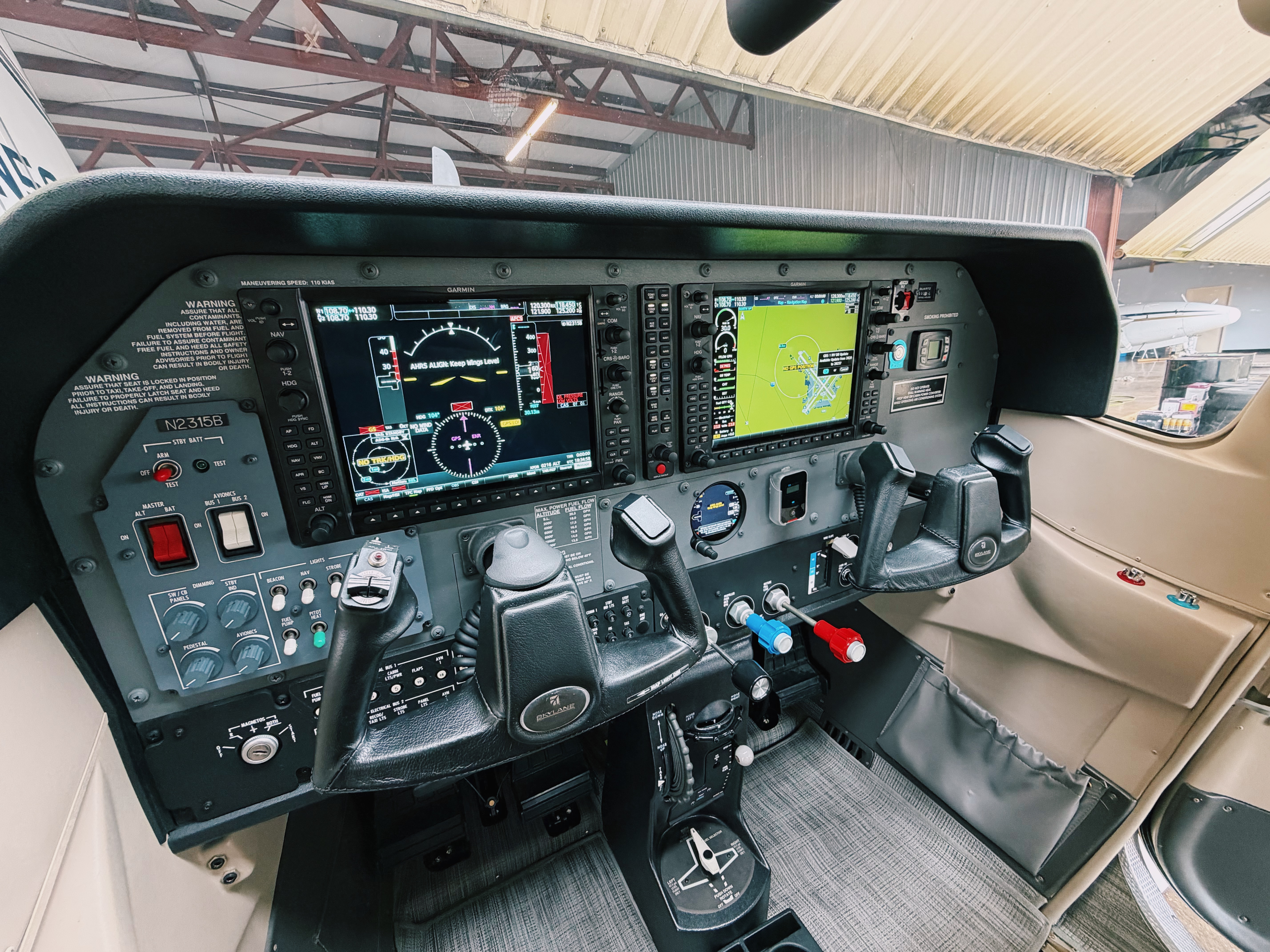
Ownership planning works best when owners can see aircraft equipment, findings, timing, records, and approvals in context.
Letting documents scatter across too many hands
Aircraft ownership creates a paperwork trail that matters in daily operations, maintenance events, and future transactions. Logbooks, AD records, Form 337s, STC documentation, inspection reports, weight and balance records, invoices, discrepancy notes, and return-to-service entries should not become a scavenger hunt.
When documents are scattered, the owner loses visibility. A simple ownership question can turn into a chain of calls, emails, and assumptions. A mechanic may need more time to understand history. A buyer may question value. A maintenance event may slow down while records are reconstructed.
This is where structured aircraft management helps. We coordinate records organization, maintenance scheduling, vendor communication, owner reporting, pilot support, and operational planning so the aircraft’s priorities stay visible.
Assuming one provider can solve every problem without coordination
Aircraft ownership often involves more than one expert. A maintenance provider, broker, pilot, insurance contact, title or escrow team, avionics shop, FBO, and owner representative may all touch the aircraft at different moments.
The mistake is not using specialists. The mistake is leaving the owner to translate every conversation alone. When no one is coordinating the whole picture, details can fall between the handoffs.
Here is how that can show up:
| Ownership moment | Common mistake | Better planning step |
|---|---|---|
| Buying an aircraft | Falling in love with the aircraft before reviewing records | Start with pre-buy inspection support and transaction guidance |
| Scheduling maintenance | Waiting until the inspection window is urgent | Build a maintenance plan through aircraft maintenance and records review |
| Managing the aircraft | Coordinating vendors, pilots, records, and approvals alone | Use aircraft management to keep responsibilities organized |
| Transitioning into a new aircraft | Treating pilot needs as an afterthought | Plan pilot support through pilot services before the aircraft is needed |
Our role is to help owners bring those pieces into one clearer ownership picture. That can mean management, maintenance, brokerage, pilot services, or a focused consultation around the next decision.
Waiting until the first AOG event to build a support plan
An aircraft on ground event is the wrong time to figure out who has the records, who can authorize work, who knows the aircraft’s recent history, and which vendor should be called first.
A better plan starts before the urgent call. Keep current aircraft records accessible. Know who handles maintenance coordination. Keep recent squawks and symptoms documented. Make sure someone understands the aircraft’s mission, location, and operational priority.
When urgent maintenance does happen, our mobile AOG maintenance support can help owners move from uncertainty toward a practical next step. The right response depends on the aircraft, location, symptoms, parts, documentation, and available support, so the most useful first move is clear information.
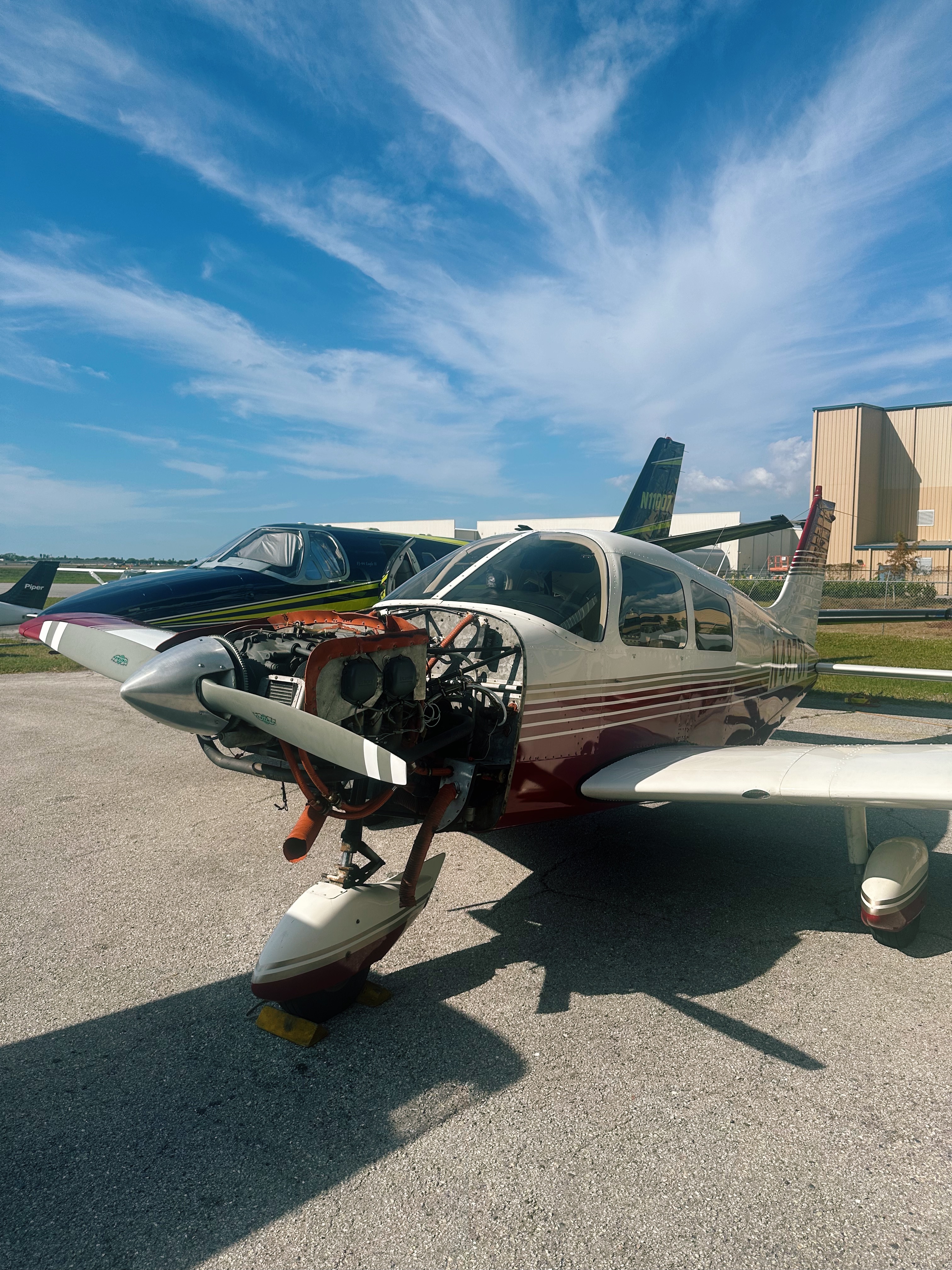
A support plan gives owners a clearer path when timing, records, vendors, and aircraft readiness all matter.
Choosing support only after ownership feels chaotic
Many owners wait to look for help until the aircraft already feels difficult to manage. By then, the problems are usually tangled together: maintenance planning, vendor communication, pilot coordination, records cleanup, inspection timing, and budget uncertainty.
You do not need to hand off every ownership decision to get value from professional support. Sometimes the right step is a focused maintenance review. Sometimes it is pre-buy support before closing. Sometimes it is full management because the aircraft, schedule, and owner workload justify a more structured relationship.
The important move is to choose support based on the aircraft’s real needs. Support should match the aircraft, mission, timing, and owner workload. At UAS, we can help you compare management, maintenance, brokerage, and pilot service paths around the way you actually own and fly.
FAQ
What is the biggest mistake first-time aircraft owners make?
The biggest mistake is buying before the full ownership picture is clear. Records, maintenance status, AD compliance, inspection timing, insurance, pilot needs, and first-year operating costs should all be reviewed before the aircraft becomes your responsibility. A pre-buy inspection is one of the strongest early steps.
Is a pre-buy inspection the same as an annual inspection?
No. A pre-buy inspection is focused on helping a buyer understand aircraft condition, records, and acquisition risk before closing. An annual inspection has a different regulatory purpose. The right scope should be discussed before the inspection begins, especially if the buyer wants maintenance findings, records, and airworthiness questions reviewed carefully.
How can aircraft management reduce ownership stress?
Aircraft management can reduce day-to-day coordination by organizing maintenance scheduling, vendor communication, records, owner reporting, pilot support, and operational planning. Our aircraft management services are designed to help owners keep decisions visible without chasing every detail alone.
Should I plan maintenance before something breaks?
Yes. Preventive planning helps owners track inspections, records, recurring items, squawks, and upcoming service needs before the aircraft is under time pressure. It does not eliminate every surprise, but it gives you a cleaner way to make maintenance decisions through aircraft maintenance support.
What should I do before financing an aircraft purchase?
Review the aircraft-specific ownership budget before relying on financing. Include purchase terms, expected inspections, maintenance exposure, insurance, hangar or tie-down costs, pilot needs, reserves, taxes or professional advice, and first-year operating assumptions. Financing terms should fit the aircraft’s full ownership picture, not just the purchase price.
When should I contact UAS about ownership support?
Contact us before the next major decision if possible: buying, selling, scheduling an inspection, reviewing records, planning a maintenance event, coordinating pilot support, or dealing with an urgent aircraft issue. Starting early gives our team more room to organize the details around your aircraft and mission.
Make the next ownership decision with clearer support
Aircraft ownership should feel capable, not scattered. If you are buying, selling, managing maintenance, reviewing records, planning pilot support, or trying to simplify the way your aircraft is operated, start with a focused conversation.
Request a consultation with Universal Aircraft Solutions and share your aircraft type, location, timing, and current concern so we can help you identify the right ownership support path.