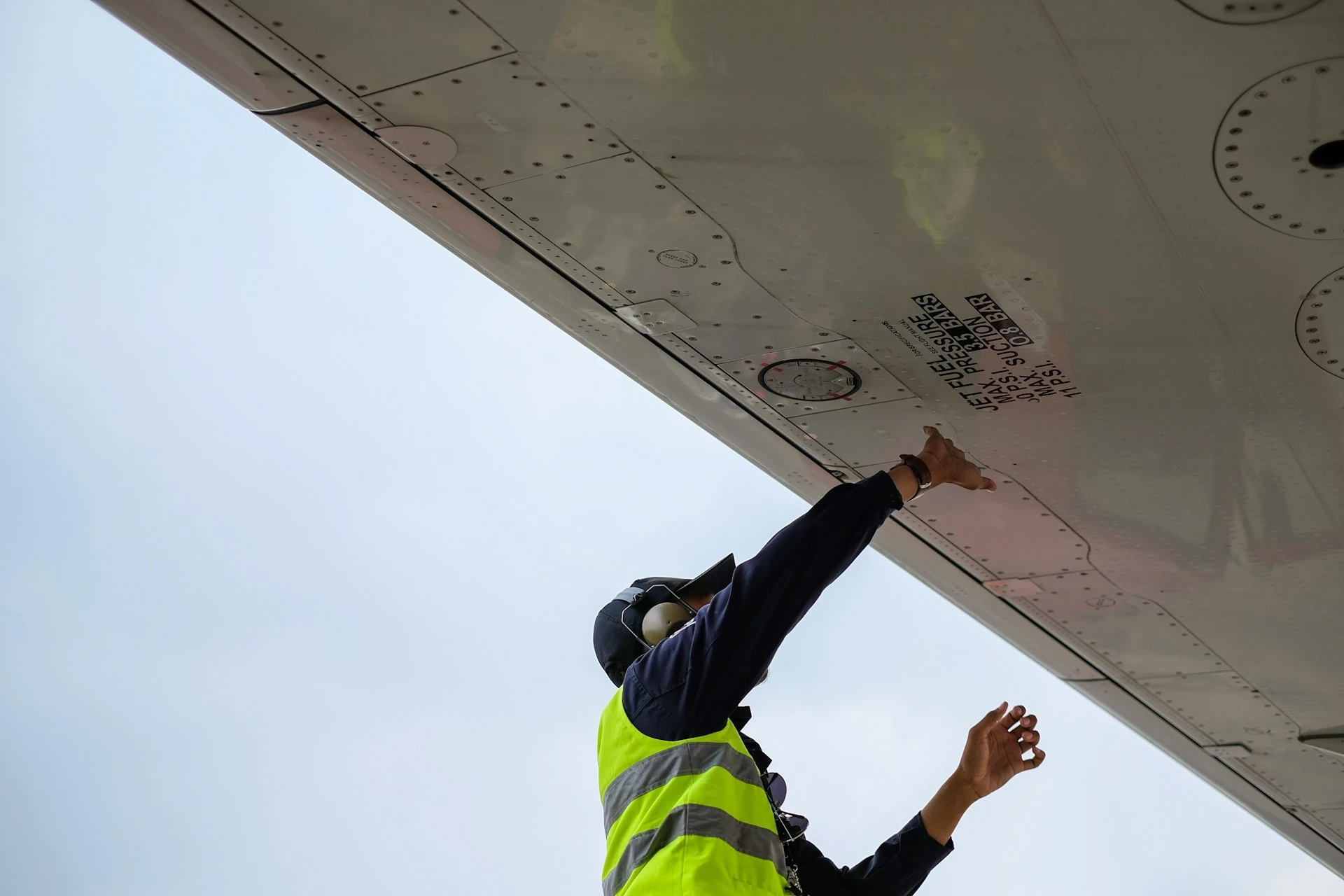
What Is an Annual Inspection? Owner Guide

Published by
Jacob Kyser
Published on
An annual inspection is the required once-every-12-calendar-month inspection for most privately operated certificated aircraft, unless a specific exception applies. It is not just a date on the calendar. It is the moment when the aircraft, records, discrepancies, approvals, and next maintenance decisions all come together.
For an aircraft owner, the inspection can feel like a pause in normal flying. Done well, it becomes a planning tool. At Universal Aircraft Solutions, we help owners use the annual inspection to understand what the aircraft needs, what must be corrected before return to service, and what should be planned before the next ownership decision.
The annual inspection keeps airworthiness visible
The simplest answer is this: an annual inspection is a required inspection that helps determine whether the aircraft is in condition for safe operation and properly documented for continued use. For most private aircraft owners, the aircraft must have had an annual inspection within the preceding 12 calendar months before it can be operated, unless the aircraft falls under a specific exception.
That timing matters because aircraft ownership is easy to scatter across vendors, logbooks, squawks, parts availability, pilot needs, and trip plans. The annual inspection brings those pieces into one structured review. It gives the owner a clearer look at condition, records, compliance items, and the maintenance priorities that should not be left vague.
Our annual inspection service is built for that owner reality. We help coordinate intake, logbook review, inspection access, findings, corrective action review, and documentation so you are not trying to interpret every next step alone.
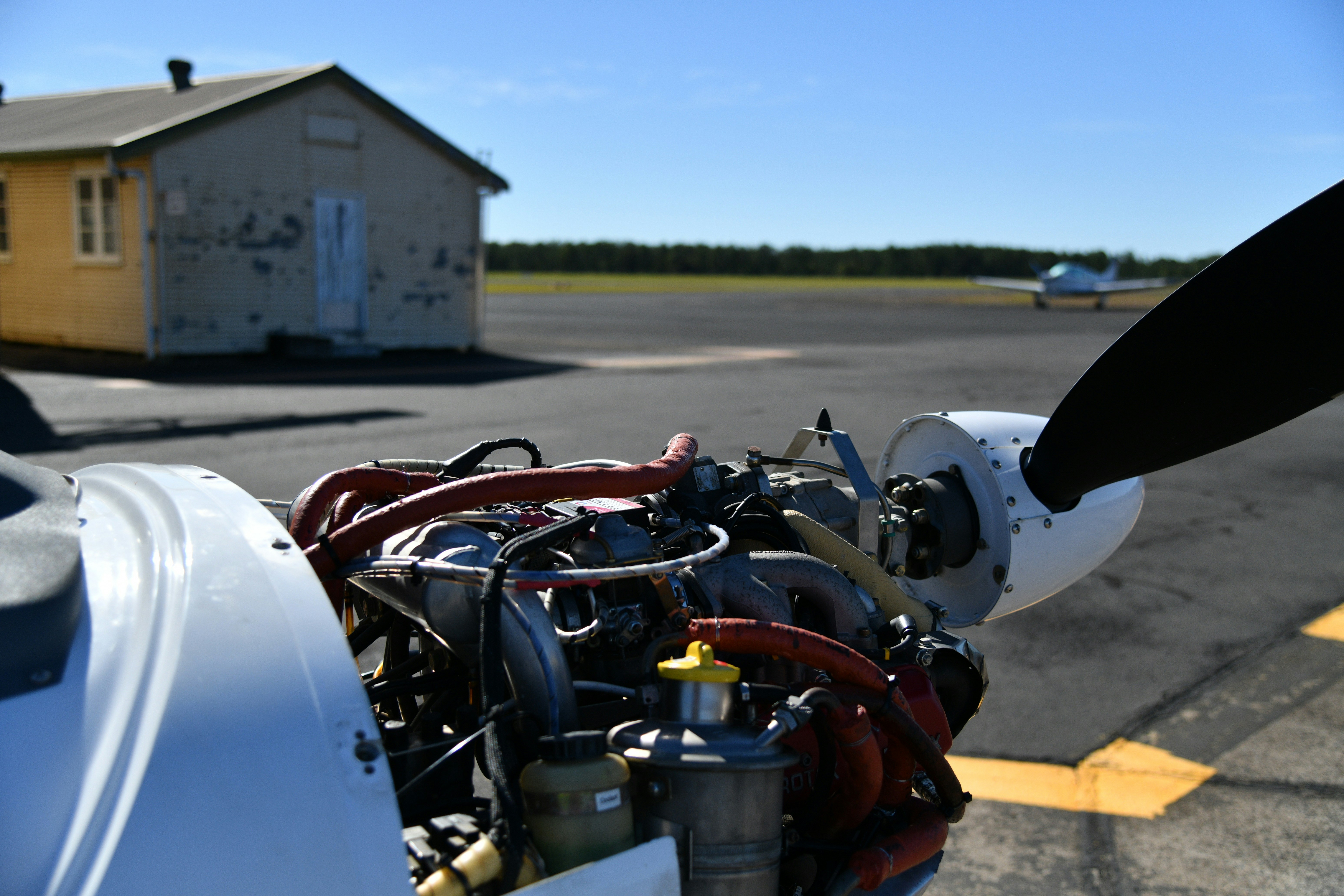
An annual inspection turns aircraft condition, records, and corrective actions into a clearer owner decision.
What mechanics look at during an annual
An annual inspection follows the scope and detail described in 14 CFR Part 43 Appendix D. In practical owner terms, that means the inspection looks across the aircraft instead of focusing on one isolated complaint.
The review can include the airframe, engine, propeller, controls, landing gear, cabin and cockpit items, systems, placards, required equipment, and condition items that affect airworthiness. The inspection also connects to the aircraft’s records, because the logbooks, Airworthiness Directive status, previous repairs, alterations, and maintenance history all help explain what the aircraft needs now.
If you want to read the FAA rule directly, the current eCFR text for 14 CFR Part 43 Appendix D outlines the annual and 100-hour inspection scope. For most owners, the useful question is not how to memorize every line. It is how to make sure the inspection findings are translated into clear priorities, clear approvals, and clean records.
That is where our aircraft maintenance support fits. We help owners move from “the aircraft is in inspection” to a practical understanding of findings, corrective actions, timing, and documentation.
Findings are not just a list of problems
Many owners think of an annual inspection as pass or fail. The real experience is usually more useful than that. The inspection may find discrepancies, wear, documentation questions, Airworthiness Directive items, or maintenance recommendations that need to be sorted by urgency and aircraft-specific impact.
Some findings must be corrected before the aircraft can be approved for return to service. Other items may become planning conversations around timing, cost, parts, future maintenance, or how the aircraft is being used. The owner needs to know which is which.
Our annual inspection process includes a discrepancy report, owner review, corrective action approval, and return-to-service documentation. That does not make every finding pleasant, but it helps make the path visible. A finding should lead to a decision, not a guessing game.
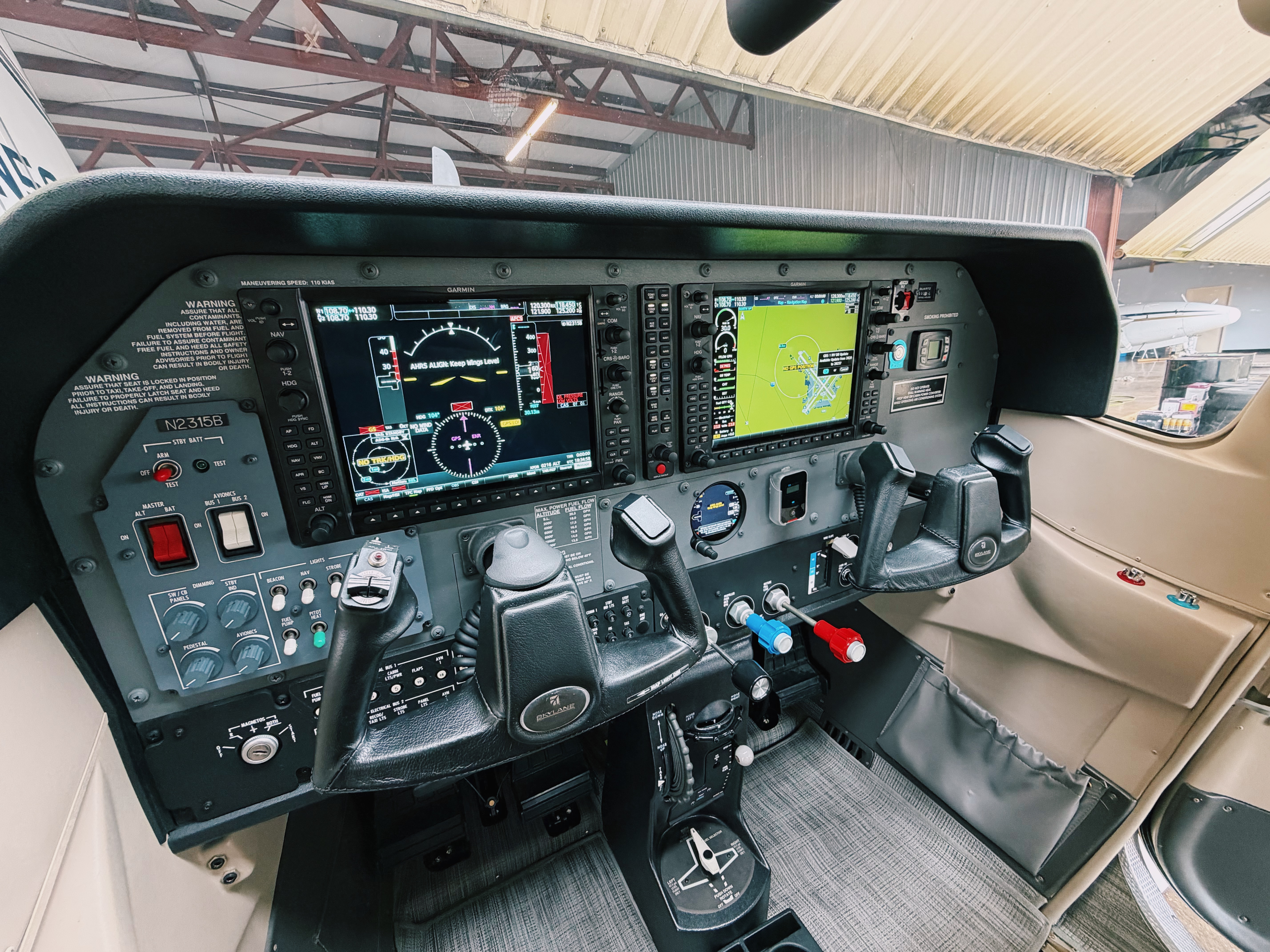
Clear inspection findings help owners plan approvals, parts, downtime, and future maintenance with less confusion.
Records can change the whole inspection conversation
The physical aircraft matters, but the records can change how an annual inspection unfolds. Logbooks, AD entries, Form 337s, STC documentation, inspection history, weight and balance records, and prior discrepancy notes can all affect the work in front of the maintenance team.
When records are organized, the inspection starts with better context. When records are incomplete or scattered, the aircraft may require more research before the owner can see the real path forward. Good records protect your time, your aircraft value, and your ability to make informed maintenance decisions.
This is why we treat records as part of aircraft readiness. Our airworthiness directive support and AD compliance services help owners review applicability, organize documentation, and plan next maintenance steps around the aircraft’s actual history.
If financing, insurance, a sale, or a future pre-buy inspection may be part of your ownership plan, records become even more important. A clean inspection event today can make tomorrow’s transaction or lender conversation easier to support.
Annual inspection vs. 100-hour inspection
Annual and 100-hour inspections are often discussed together because they use a similar inspection scope. The difference is mainly why and when they apply.
| Inspection | Why it matters | How we help owners plan it |
|---|---|---|
| Annual inspection | Required every 12 calendar months for most privately operated certificated aircraft, unless a specific exception applies | We help coordinate records review, inspection access, discrepancy reporting, corrective action approval, and documentation |
| 100-hour inspection | Applies to certain aircraft used to carry persons for hire or for flight instruction for hire | We help operators plan inspection timing, findings, and maintenance documentation around aircraft use |
| Pre-buy inspection | Helps a buyer understand aircraft condition, records, and acquisition risk before closing | We help coordinate condition and records review before the aircraft becomes your responsibility |
The takeaway for owners is practical: do not treat inspection names as interchangeable. The aircraft’s use, records, timing, and regulatory context affect the right maintenance path. If you are not sure which inspection applies, start with the aircraft, how it is operated, and what decision you are trying to make next.
What owners should do before the inspection window closes
The annual inspection goes better when the owner prepares before the aircraft is already boxed into a tight schedule. Waiting until the last minute can make every finding feel more disruptive, especially if parts, records research, or owner approvals are needed.
Before the inspection, gather recent squawks, logbooks, AD history, equipment questions, recent maintenance notes, and any planned trips that could affect scheduling. If you are considering avionics work, cosmetic updates, tire replacement, an oil change, or other maintenance, talk through whether it makes sense to coordinate that work during the inspection window.
Our general inspections and oil change services can support broader maintenance planning when the annual brings other priorities to the surface. The goal is not to add work for the sake of adding work. The goal is to use the inspection window intelligently so the owner sees timing, approvals, and priorities in one view.
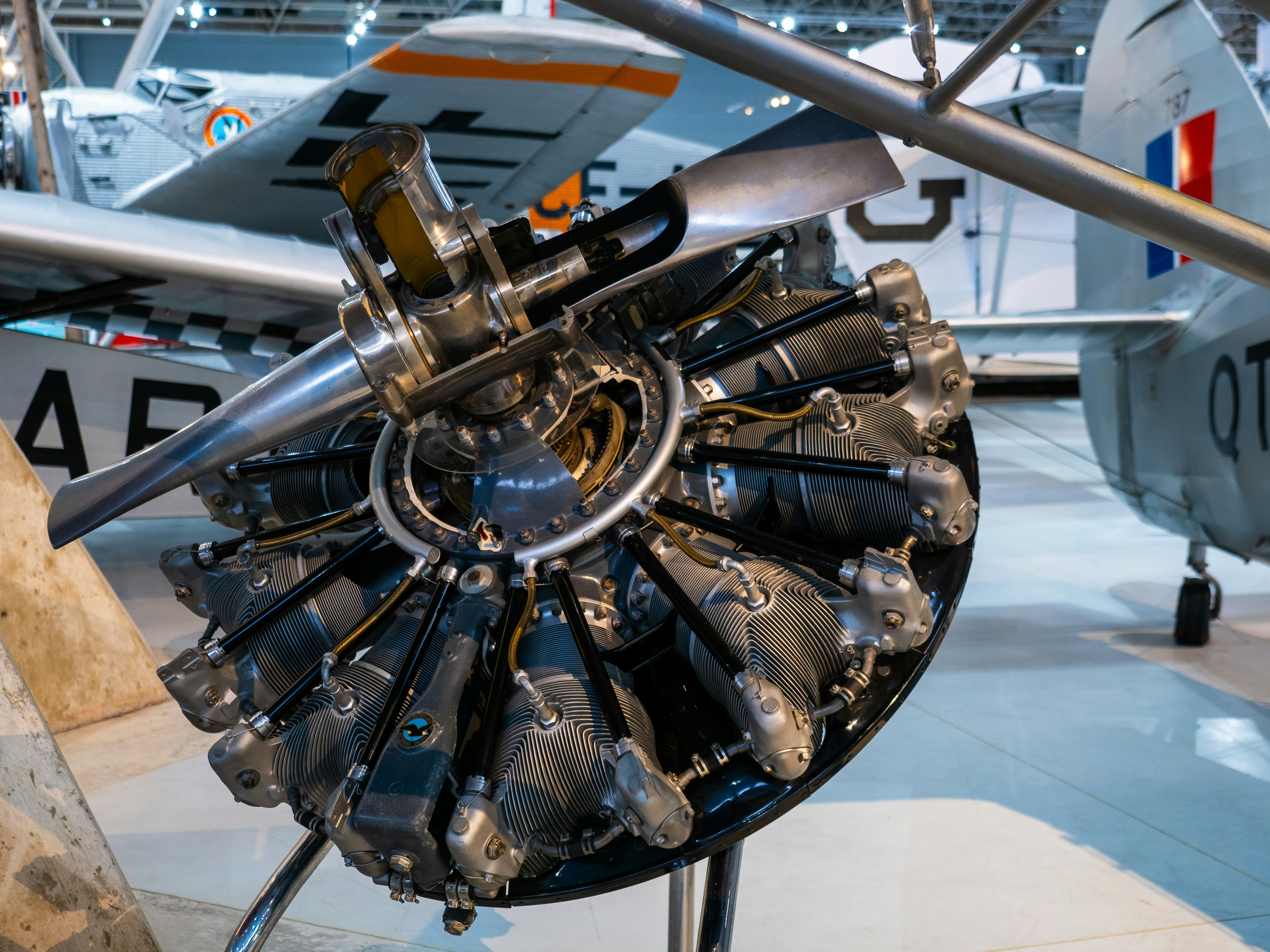
Preparation before the inspection window helps owners bring squawks, records, and scheduling needs into one conversation.
Cost and timing depend on the aircraft
Owners often want a simple annual inspection cost or turnaround time. The honest answer is that cost and timing depend on aircraft type, condition, records, parts availability, inspection findings, corrective action approvals, and how much work is discovered during the inspection.
That does not mean you should walk in blind. It means the better first step is to share the aircraft details early so the maintenance conversation can be specific. A straightforward inspection on a well-documented aircraft is a different planning problem than an inspection with incomplete records, recurring discrepancies, corrosion concerns, or parts delays.
If you are budgeting ownership costs, include the annual inspection as part of the full aircraft plan alongside hangar or tie-down costs, insurance, fuel, subscriptions, pilot support, reserves, financing terms, and future maintenance exposure. Our aircraft management services help owners keep those ownership details visible instead of treating each cost as a surprise.
FAQ
Is an annual inspection required every year?
For most privately operated certificated aircraft, yes. The aircraft generally must have had an annual inspection within the preceding 12 calendar months before it can be operated, unless a specific exception applies. If your aircraft’s operation is unusual, the right answer depends on the aircraft and how it is used. Our maintenance team can help you review the next practical step.
Is an annual inspection the same as a 100-hour inspection?
No. Annual and 100-hour inspections use a similar inspection scope, but the reason they apply is different. A 100-hour inspection is tied to certain aircraft operations, such as carrying persons for hire or flight instruction for hire. An annual inspection is the yearly requirement most private owners encounter.
What happens if the inspection finds discrepancies?
The owner should receive a clear review of the findings, what must be corrected before approval for return to service, and what can be planned appropriately. Our annual inspection process includes discrepancy reporting, owner review, corrective action approval, and documentation so the next step is visible.
Can I fly while the annual inspection is expired?
Do not assume you can operate normally with an expired annual. The current FAA rule for annual inspection timing is in 14 CFR 91.409, and aircraft-specific circumstances matter. If the inspection window is close or expired, contact a qualified maintenance provider before making operational plans.
How much does an annual inspection cost?
Annual inspection cost depends on the aircraft, records, condition, parts, findings, and approved corrective actions. A meaningful estimate starts with aircraft-specific details, not a generic number. You can use our aircraft maintenance request to share the aircraft type, location, timing, and current concerns.
Should I combine other maintenance with the annual?
Sometimes it makes sense to coordinate work such as an oil change, tire replacement, AD review, or other planned maintenance during the annual inspection window. The right choice depends on aircraft condition, parts, scheduling, and owner priorities. We can help you compare those maintenance decisions through aircraft maintenance support.
Plan your annual before it becomes urgent
An annual inspection is more than a regulatory deadline. It is a structured opportunity to understand the aircraft, clean up records questions, review findings, approve the right corrective actions, and protect the next season of ownership.
If your inspection window is approaching, request aircraft maintenance support from Universal Aircraft Solutions and share your aircraft type, location, timing, and current concerns. We will help you identify the right next step for the inspection, records, and maintenance planning around your aircraft.